Understand Awaab law and HHSRS Hazards for Safer Homes Now
Discover how addressing HHSRS hazards protects health and legal compliance, and learn how Awaab Law guides you through essential safety measures effectively.
Specialist in Awaab law & HHSRS Hazards
Compliance
Under Awaab’s Law, landlords have a legal duty to promptly identify and remedy serious hazards, such as damp and mould, to protect occupants’ health. Inspections are assessed in line with the Housing Health and Safety Rating System (HHSRS).
Addressing Awaab Law Critical Hazards in Residential Properties
Explore prevalent HHSRS hazards and learn how Awaab Law ensures safe, compliant housing through expert guidance.

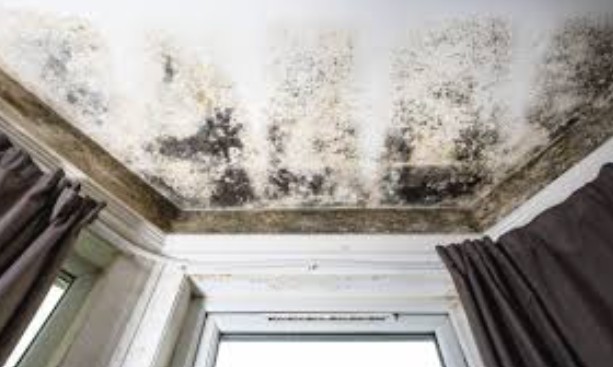
Mold and Damp Identification
Understand how we help identify and mitigate mold and damp issues to promote healthier living environments.

Awaab Law & HHSRS Hazards
With the introduction of Awaab’s Law, landlords now have a legal duty to act rapidly once a hazard is reported.

Preventative Measures
To ensure your home stays healthy and to promote healthy living environments, we provide detailed information on essential preventative measures including housing HHSRS hazards.
Awaab law & HHSRS Hazard Explained
Awaab’s Law Rollout: Key Phases and Landlord Compliance Timelines
| Phase | Hazards Included | Implementation Date |
| Phase 1 | All emergency hazards and significant damp and mould hazards. | 27 October 2025 |
| Phase 2 | Significant hazards relating to: excess cold, excess heat, falls, structural collapse, explosions, fire, electrical hazards, domestic and personal hygiene, and food safety. | October 2026 |
| Phase 3 | All other significant hazards (excluding hazards arising from overcrowding). | October 2027 |
The “clock” starts the moment a landlord is made aware of a potential hazard.
| Action | Deadline |
| Emergency Repairs | Must be investigated and made safe within 24 hours of reporting the issue. |
| Initial Investigation | Must be carried out within 10 working days. |
| Written Summary | A report of findings must be given to the tenant within 3 working days of the investigation. |
| Commencing Repairs | “Relevant safety work” must begin within 5 working days of the written summary. |
| Completion | Repairs must be completed within a “reasonable” timeframe, but physical work must start within 12 weeks at the latest. |
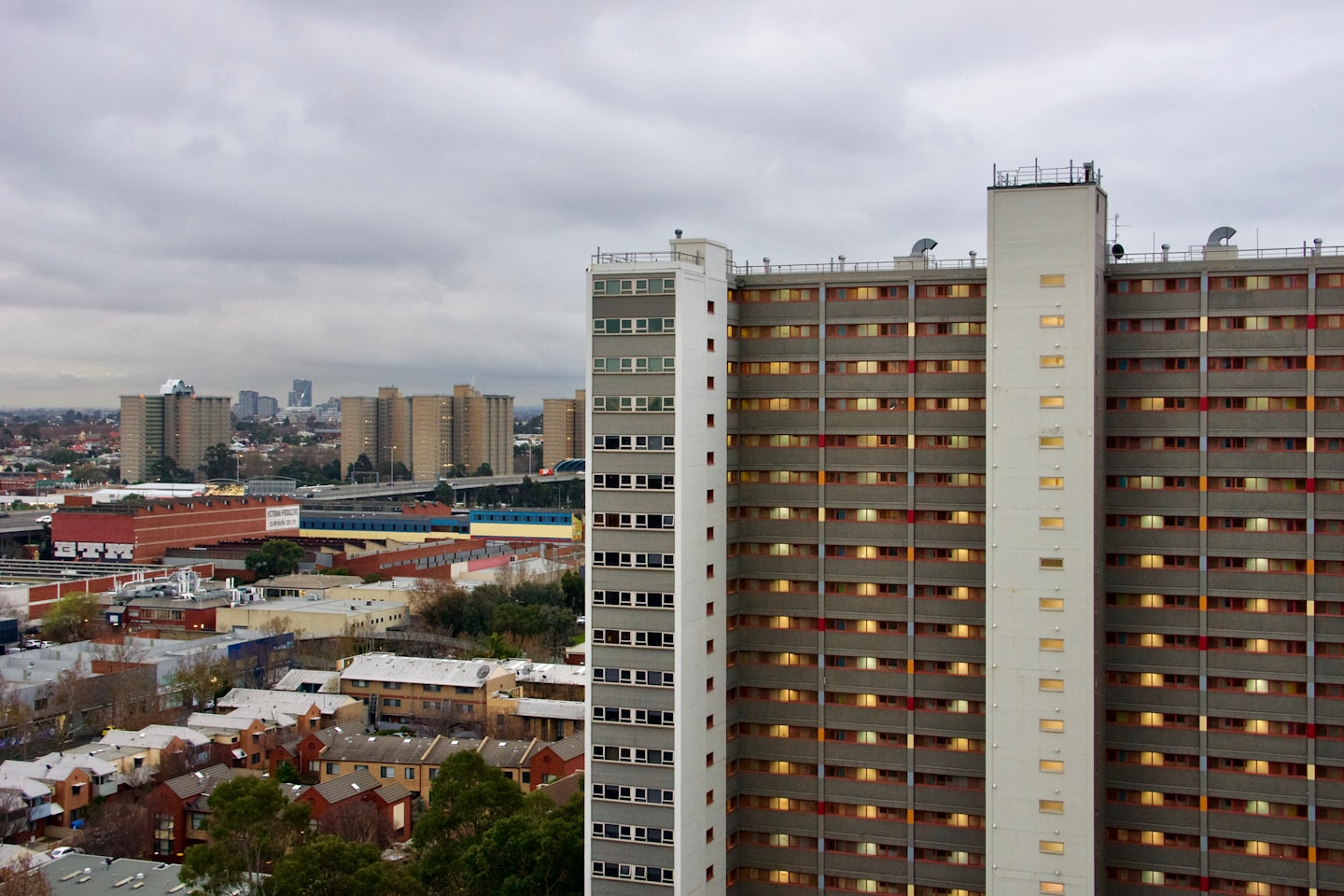
Health and Safety Risks
The HHSRS hazards system is divided into 4 categories
1 Physiological Requirements – including damp and mould, excess cold or heat, and asbestos
2 Psychological Requirements – such as overcrowding, noise, and poor lighting
3 Protection Against Infection – including sanitation, drainage, water supply, and waste disposal
4 Protection Against Accidents – covering falls, electrical hazards, fire risks, and structural safety
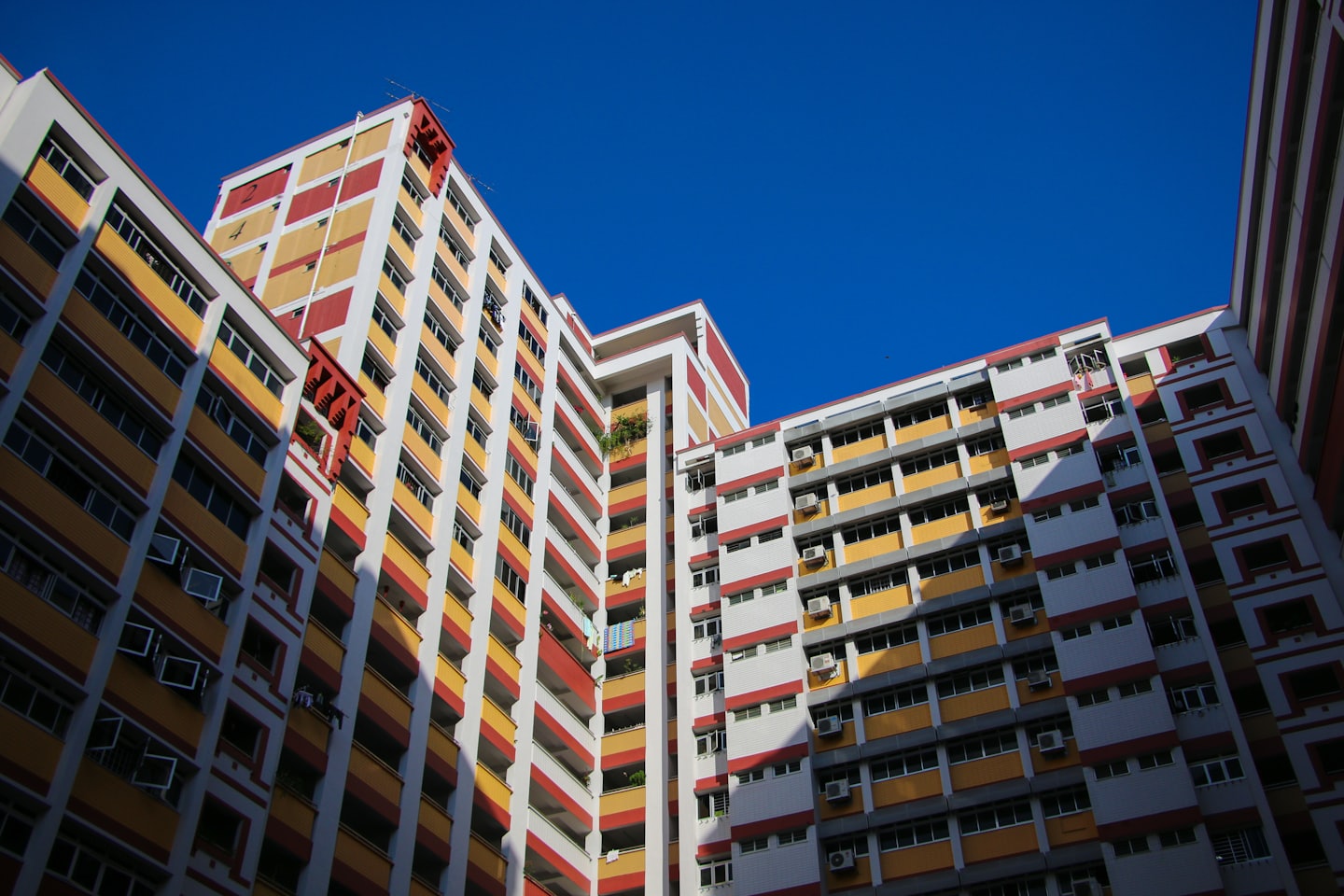
Damp and Mould
Mould formation is not solely associated with rising damp and can develop from
Inadequate ventilated areas
Consistently cold areas
Thermal bridging
Cooking
Showering
Persistent moisture
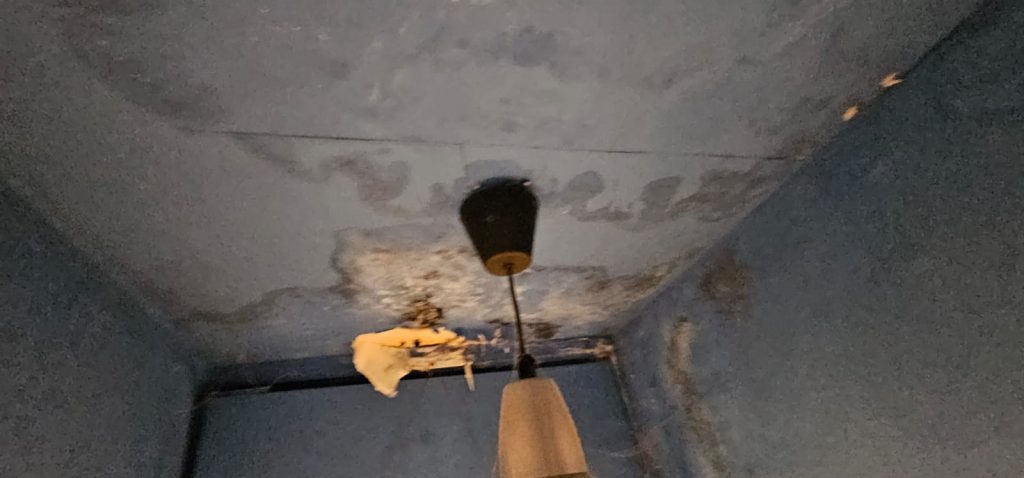
The dew point is often a primary cause of internal condensation, which can lead to mould growth that is harmful to health, appearing as dark or discoloured patches. Our mould inspection identifies visible mould growth and assesses the underlying causes.
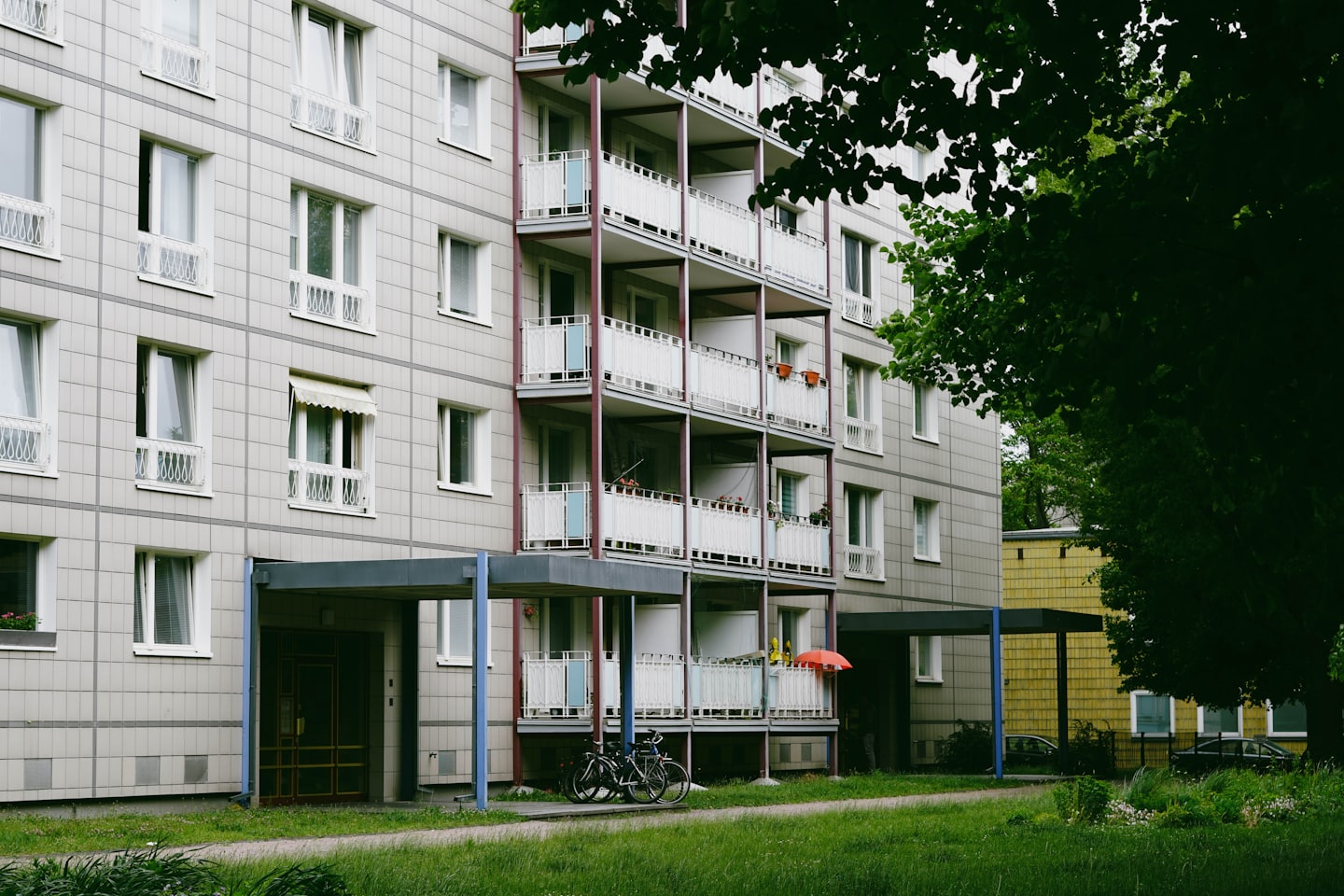
Preventative Measures
Examine the impact of various hazards on housing compliance and resident wellbeing.
Our Detailed Hazard inspection Survey is a specialist Tenant Inspection -Rented properties,- identifying Housing Health and Safety Rating System—HHSRS hazards.
Home Inspection
We carry out a thorough Visual & Electronic equipment’ inspection of the property, and produce a photographic report.
What are the primary hazards covered by HHSRS?
Find clear, concise answers to common questions about HHSRS hazards, including mould and damp issues affecting housing safety and compliance.
How does mold impact health under HHSRS?
Mold exposure is a significant hazard recognized by HHSRS, linked to respiratory problems and allergic reactions.
What actions should landlords take for damp problems?
Landlords must assess and remedy damp conditions promptly to meet safety standards and protect occupants.
How is the severity of a hazard determined in HHSRS?
Severity is assessed by evaluating the likelihood and potential impact of harm from housing hazards.
What legal obligations exist concerning HHSRS compliance?
Property owners are legally required to maintain safe homes free from hazards like damp and mold.
Can tenants request inspections for HHSRS hazards?
Yes, tenants can report concerns and request official inspections to address housing health risks.
How does Awaab Law assist with HHSRS-related issues?
Awaab Law offers expert guidance to ensure housing meets HHSRS standards and resolves hazard disputes effectively.